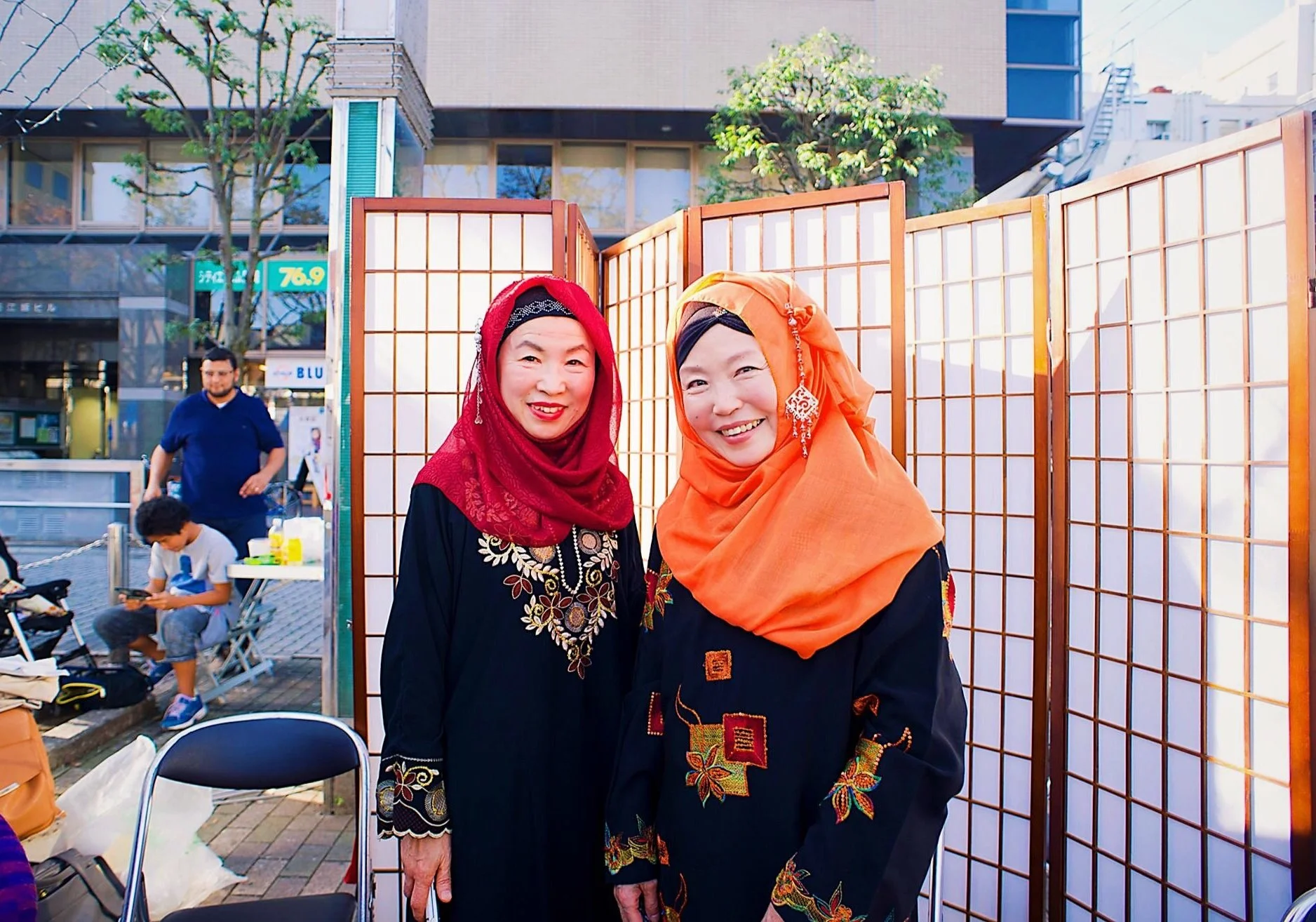
 Kehidupan Warga Muslim di Jepang: Sebuah Potret Real-Time dari Negeri Matahari Terbit
Jepang — negara yang identik dengan teknologi, kedisiplinan, dan budaya serba cepat ini—tengah menjadi rumah bagi semakin banyak warga Muslim dari berbagai penjuru dunia. Tidak hanya pekerja migran, tetapi juga mahasiswa, peneliti, ekspatriat profesional, hingga keluarga yang telah menetap bertahun-tahun. Namun, bagaimana sebenarnya kehidupan sehari-hari mereka di negara yang tidak menjadikan Islam sebagai agama mayoritas? |
|
|
|
|
|
|
|
|
|
|
|
|
|
|
|
|
|
|
|
|
|
|
|
|
 The Season to be Jolly with IHG Cluster Hotels
InterContinental Hotels Group (IHG) cluster hotels in Jordan have planned many activities for all members of the family for the upcoming joyous holiday season, including Santa Claus, gifts, promotions |
|
|
|
|















.jpg)


.jpg)